Field Work Friday
It’s #FieldWorkFriday
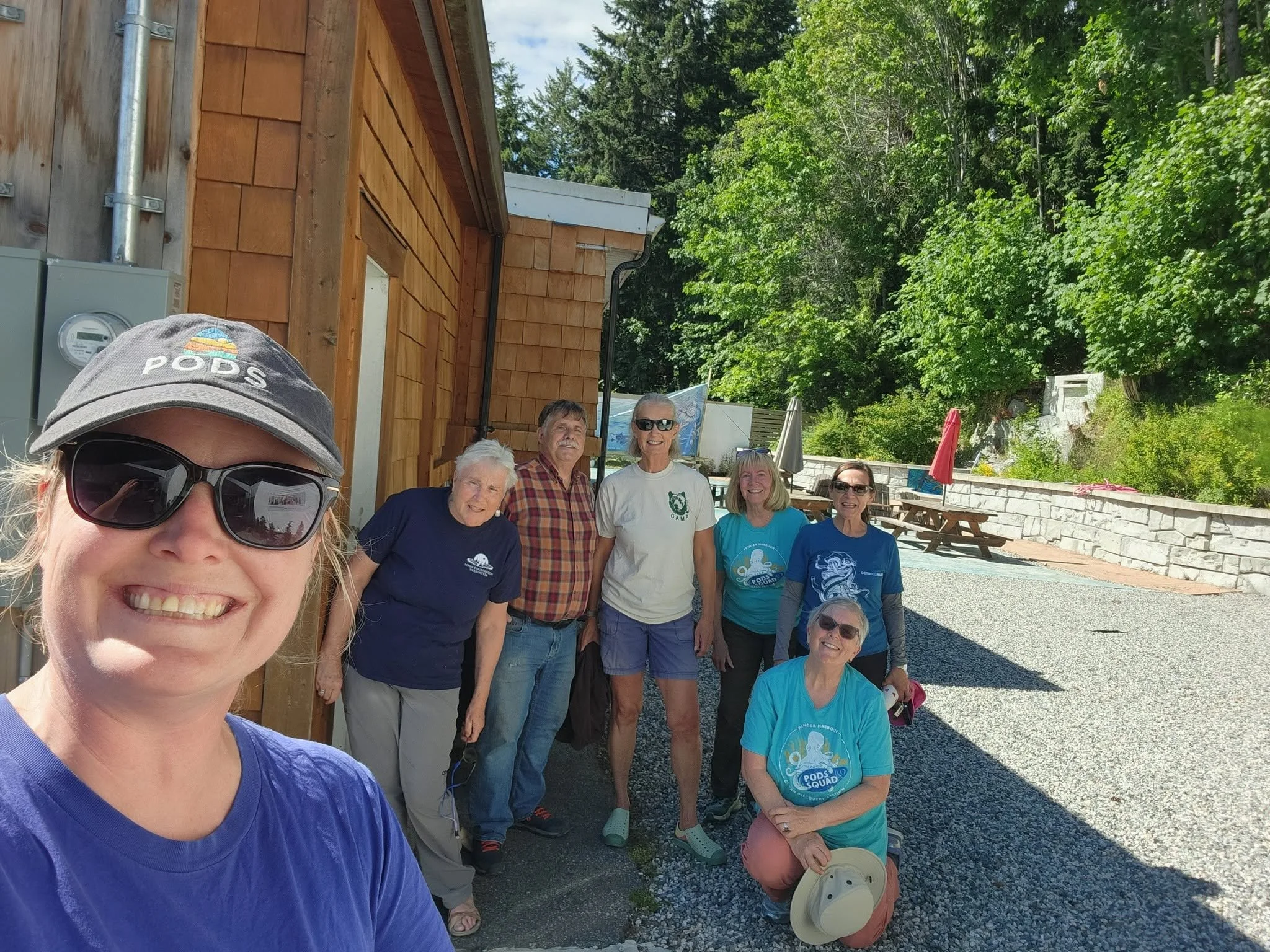
This week kicked off with our ah-mazing volunteers coming out with their gardening gloves to help pull weeds and clean up the Tranquility Garden. We were able to remove some very persistent maples, clean up the spruce needles and even tackled some of the neighbouring blackberries.
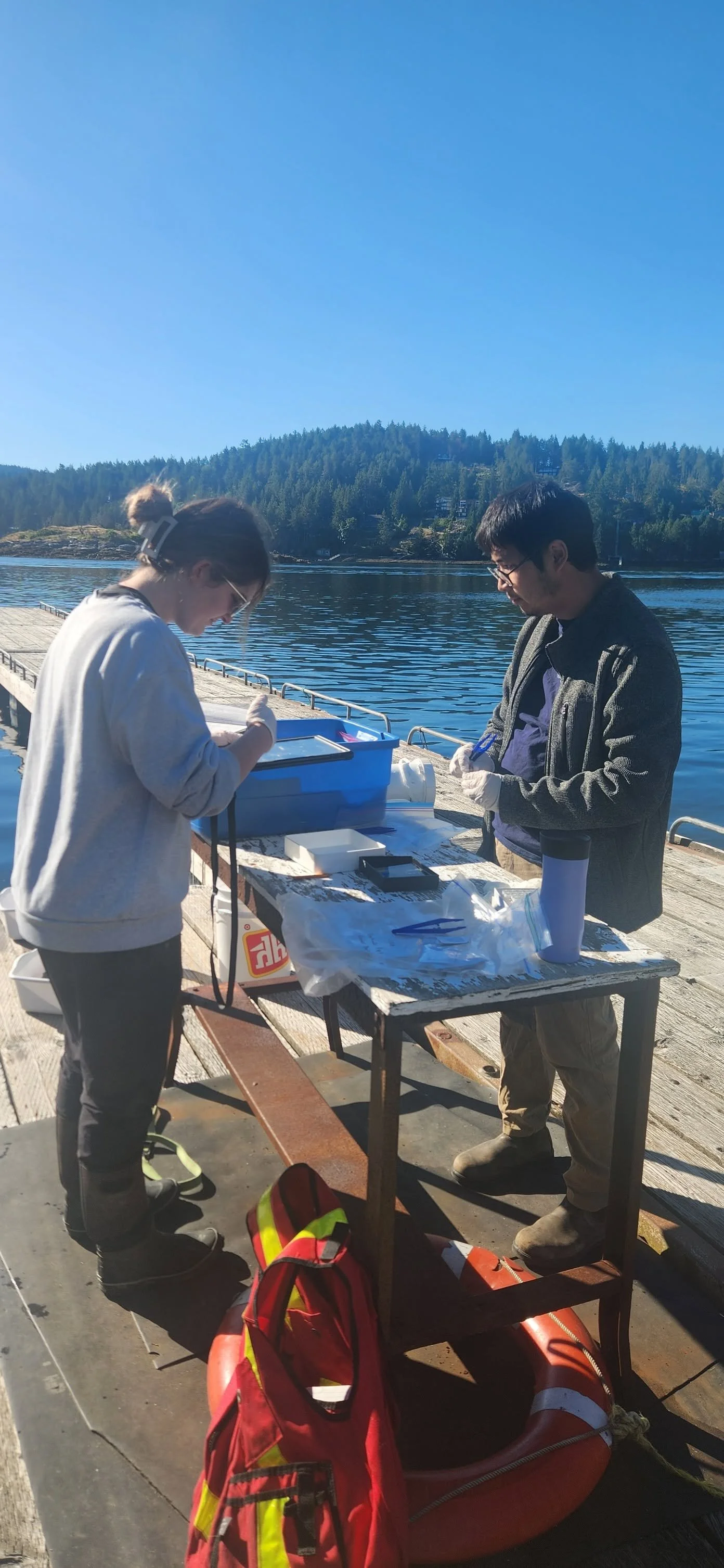
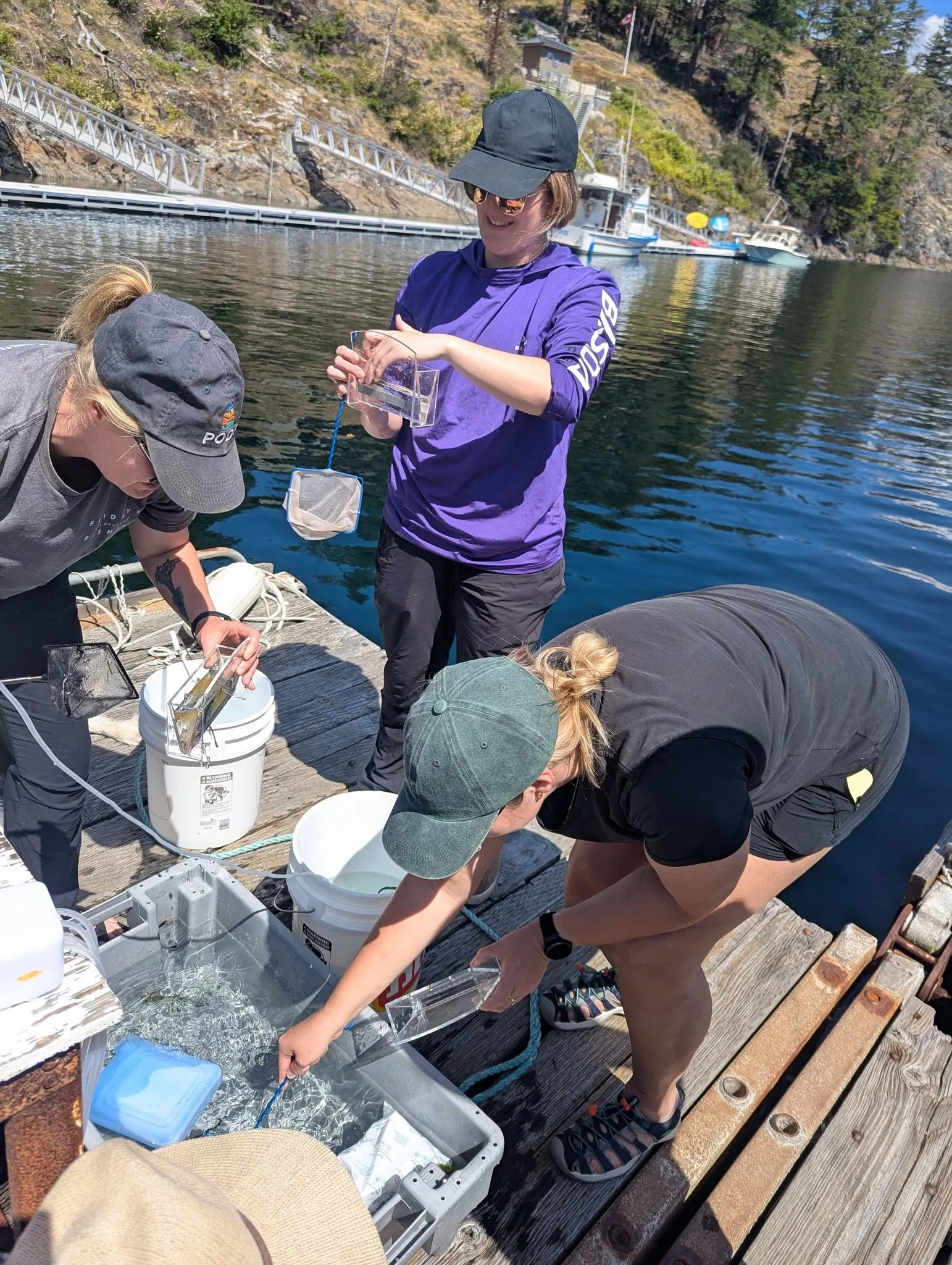
We have partnered with the Hakai Institute to provide samples for a population genetics study that is being done at a few sites in the Salishea. We see two different cohorts of megalopae in our traps over the season, with one being much larger than the other. We want to know if these are different populations.
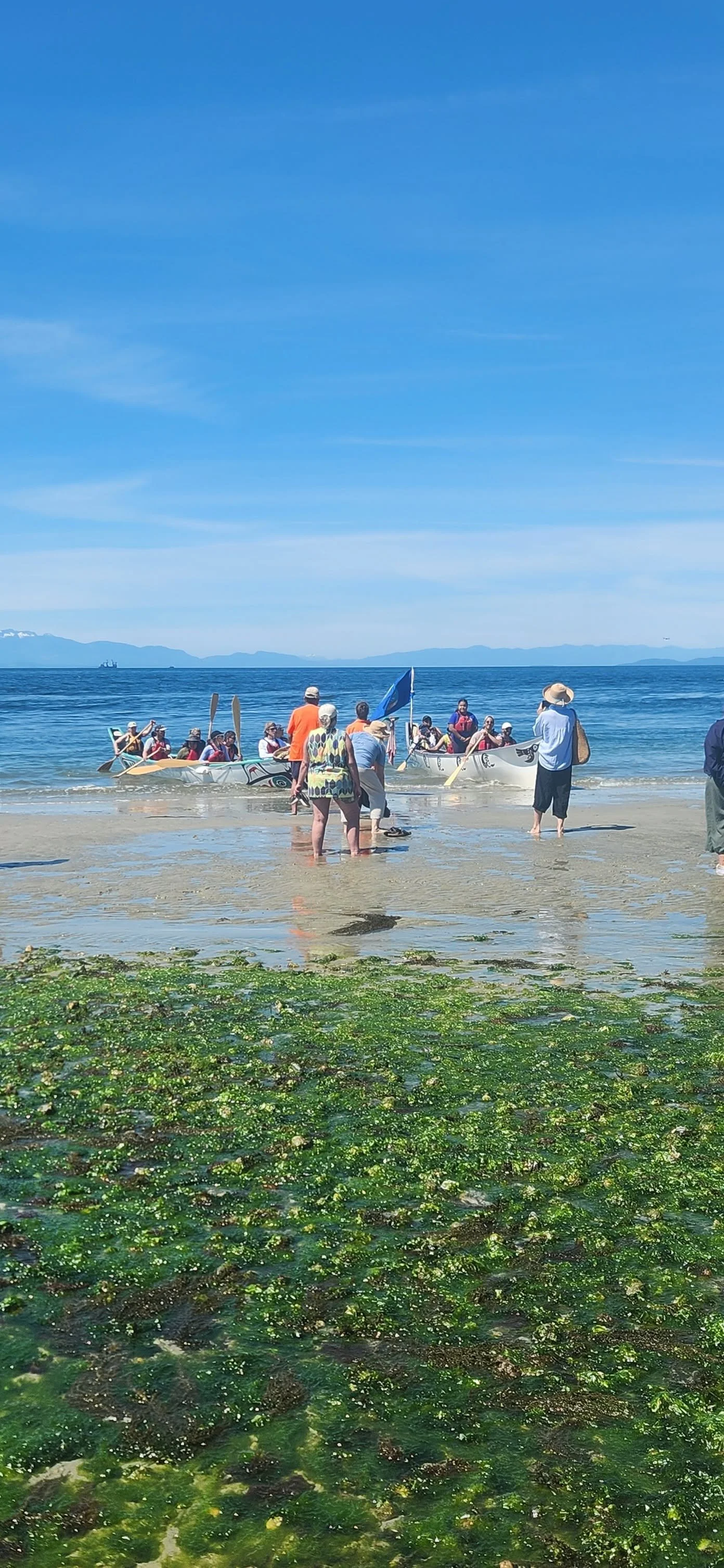
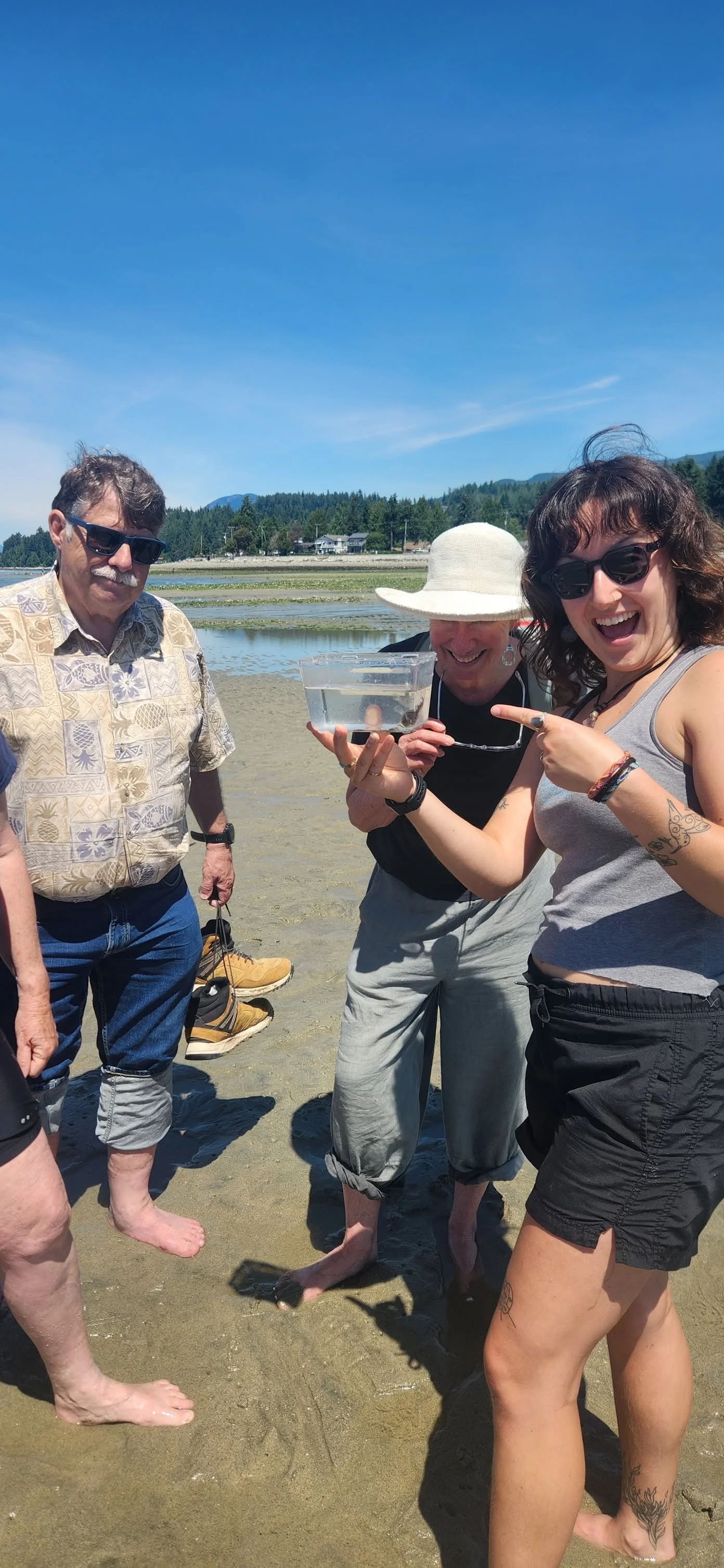
Did you make it out to the Sunshine Coast Oceans Festival? It was a beautiful (although hot) day for it. shíshálh Nation members paddled canoes from ch’atlich (Sechelt) to Mission Point to start the event. It was then followed by a low tide beach exploration where we saw numerous kelp crabs, ghost shrimps, sea stars, and even a plainfin midshipmen.
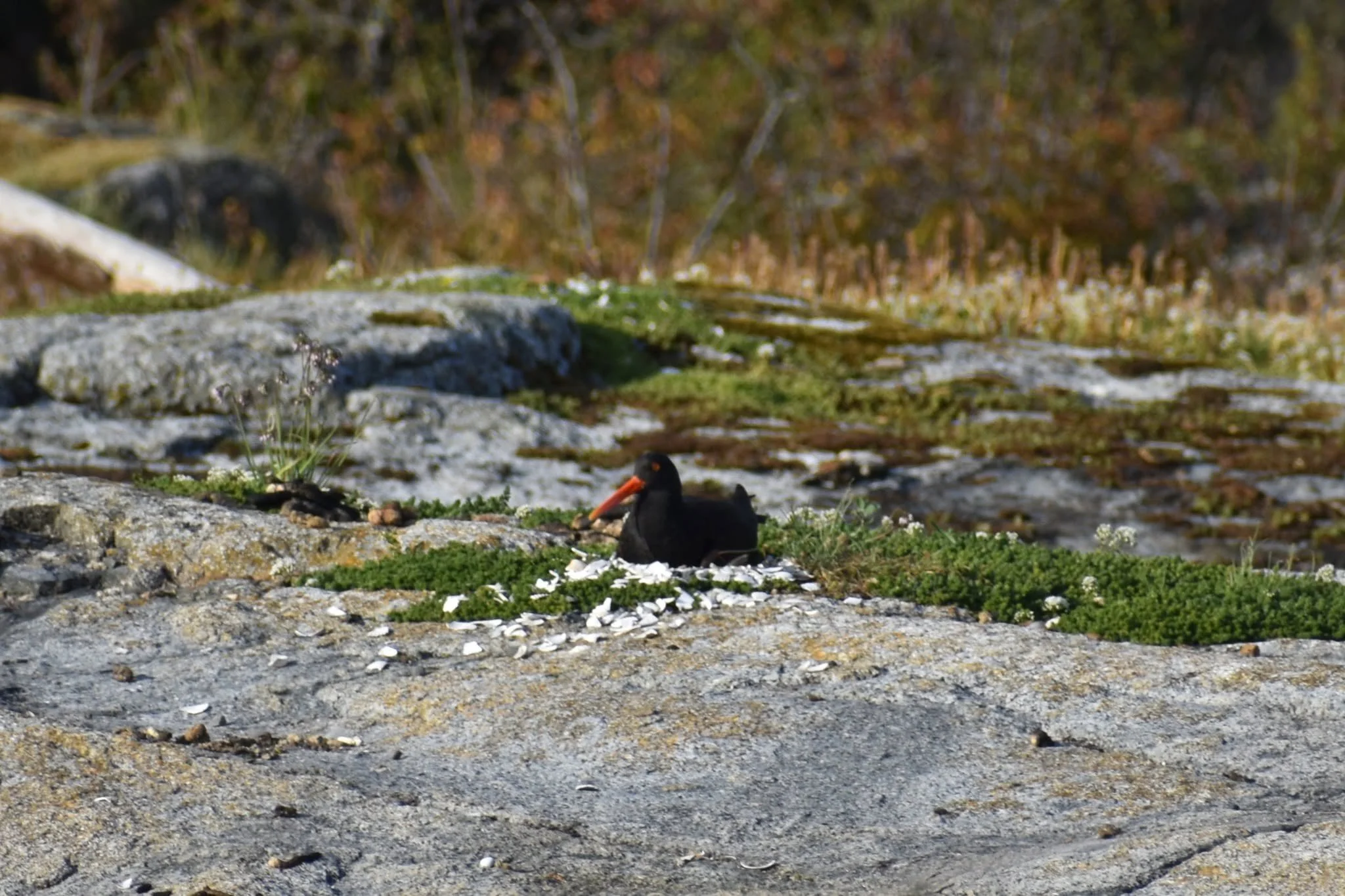
We completed our nearshore bird survey on Sunday evening. There were very few seabirds noted, but the highlight of the evening was a nesting Black oystercatcher. The Black oystercatcher makes its nest out of gravel or shell hash to camouflage their speckled eggs. Do you see the shell hash nest?
There were still a few Coho salmon noted at Irvines Landing, however, we did not see any salmon species inside the harbour this week. Tides and temperature can play a role in distribution. We will see what next week brings!
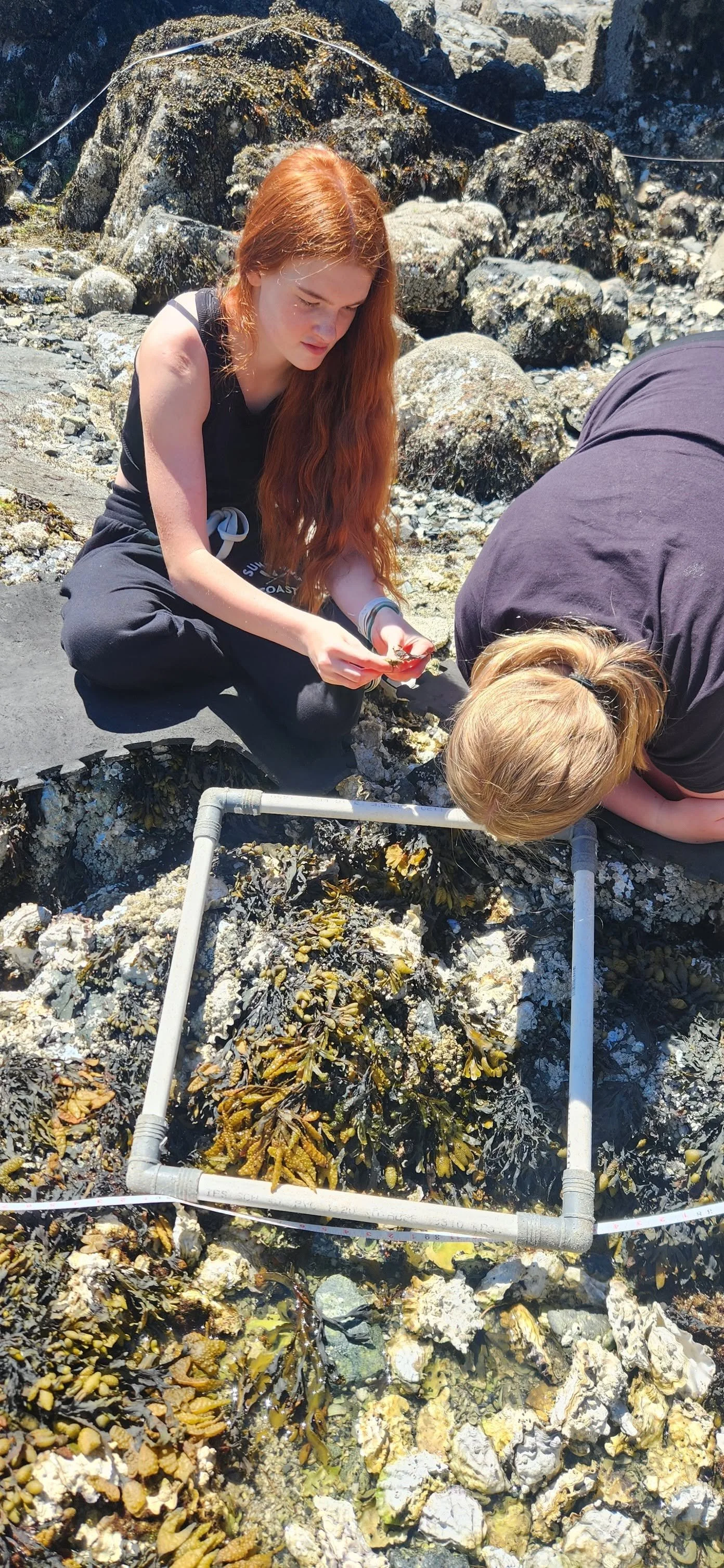
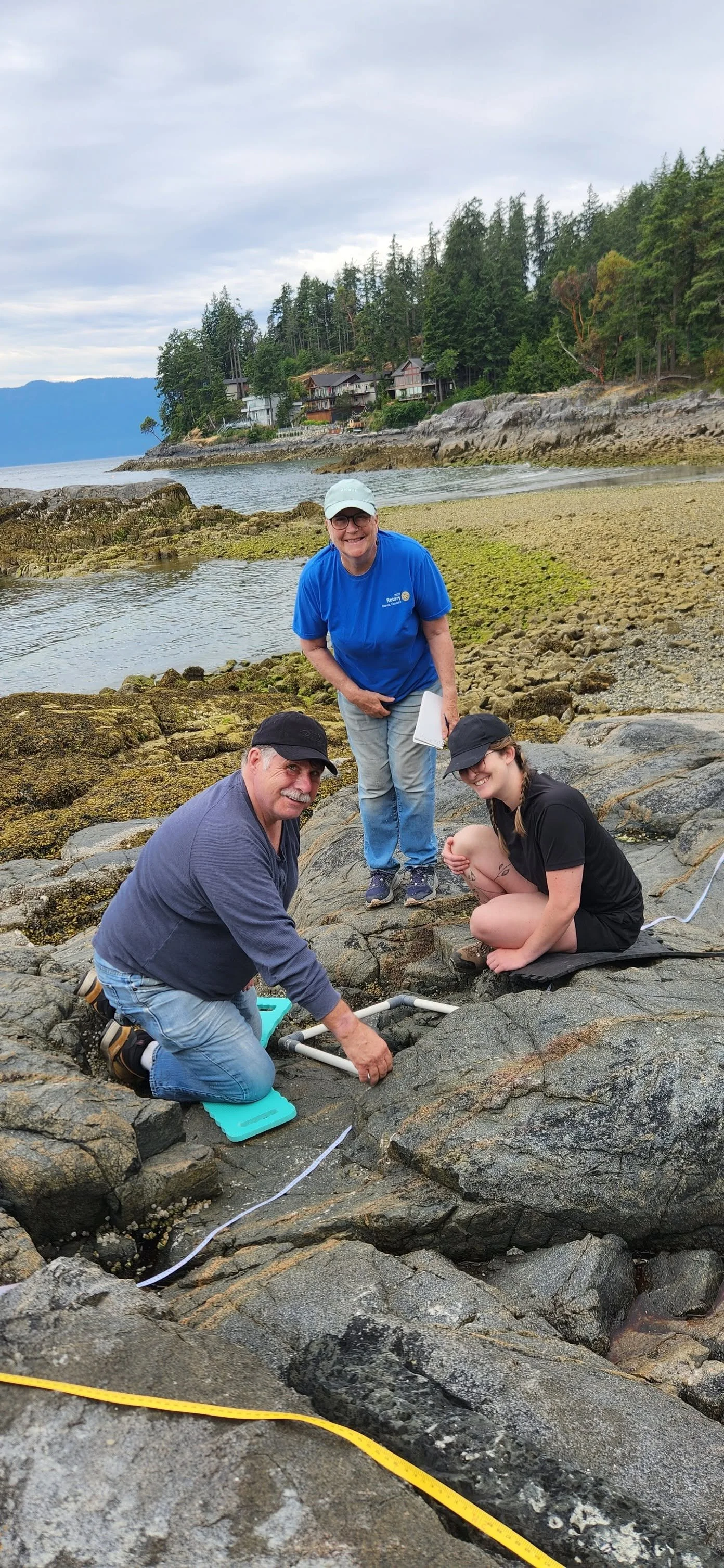
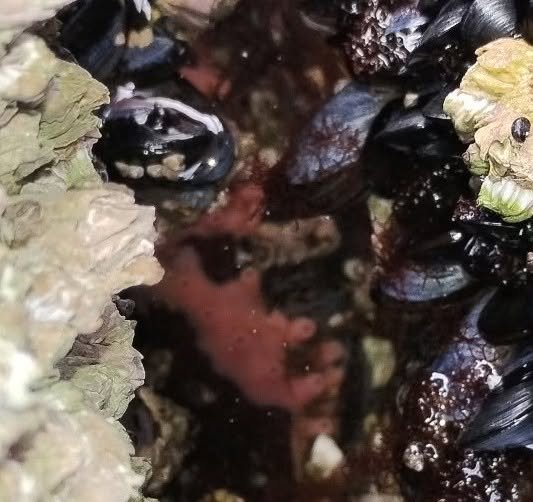
We took advantage of the incredible low tides and took our X-Block class to Irvines Landing to do an introduction to the rocky intertidal survey. Next we completed a rocky intertidal survey at Baker Beach. The rocky intertidal surveys are the biggest surveys of the year and span multiple days to complete. We had an incredible crew come out to help, and we were able to finish the survey in two days. We identified crabs, limpets, isopods and found a new species of sponge that had not been seen in our survey before, a purple encrusting sponge! As part of these surveys, we also record sea stars and wasting disease. We are happy to report that the majority of the sea stars seen were in good health, although some were showing signs of disease.
Want to join in on marine monitoring, garden parties or events? Check out our events calendar or email Jenn at jenn@loonfoundation.org.